

Articles by Dr. Currey

Chromium & Health
Chromium, like all minerals, is found in the Earth’s crust where it makes its way into plants and then animals. Unlike vitamins, minerals are not created by living organisms, but like vitamins, minerals are essential for life. Chromium is a trace metal that our bodies seemingly use to aid insulin in moving glucose from our blood into our cells for the creation of energy.

Calcium & Health
Calcium is the most abundant mineral in our body. We store most (~99%) of it in our bones and teeth as hydroxyapatite, a large molecule that combines calcium, phosphorus, and oxygen.
The remaining small amount circulates through our body. This circulating calcium plays many important roles, including constricting or relaxing our blood vessels, sending nerve impulses, contracting and relaxing our muscles, and releasing hormones like insulin when they are needed. Calcium even plays several key roles in our blood clotting along with Vitamin K!
Unfortunately, calcium is a nutrient of concern with a significant portion of our population not eating enough.

Cobalamin (B12) & Health
B12 is the last of our water-soluble B-complex vitamins. It plays many important roles and is closely connected to the actions of folate. It is a large and complex molecule that requires a well-functioning digestive system for absorption and is commonly deficient in those over 60 due to a natural decline in digestive function. Low vitamin B12 levels have been associated with several different diseases.

Folate (B9) & Health
Folate plays many very important roles in the development of our nervous system, in the regulation of our DNA, the creation of our blood cells, and so much more. Let’s learn more about this nutrient of concern!

Biotin (B7) & Health
Biotin for hair and nails? Not so fast. Biotin is a necessary nutrient for many biological processes including fetal development and the regulation of our DNA, but those hair and nail supplements are just a great marketing trick. Dive in to learn more about B7.

Vitamin B6 & Health
Necessary for over 100 different body processes, vitamin B6 is especially important in protein metabolism. (1) This week, we will look at this vitamin to investigate its role in our health, diseases, and how we can find this key nutrient in our food.

Vitamin B5 & Health
B5 is also known as pantothenic acid and it is a nutrient that is essential for all living things. It is also abundantly available in many different foods. Let’s explore this nutrient that plays vital roles in our energy production, the regulation of our DNA, helps us make acetylcholine, and so much more!

Vitamin B3 & Health
Vitamin B3 is also known as niacin. It is a water-soluble vitamin that plays many important roles, as we will see. Niacin is metabolized into NAD for its role in the generation of energy and in reducing oxidative stress.

Vitamin B2 & Health
This important vitamin plays key roles in our ability to turn our food into energy, reduce oxidative stress/damage in the body, metabolize B6, folate, niacin, and iron, and metabolize medications and toxins. (1) This is not an insignificant list of accomplishments!
Vitamin B1 & Health
Thiamin (B1) plays an important role in energy production. It is involved in the metabolism and energy extraction of carbohydrates, branched-chain amino acids, and fatty acids. (1) Without thiamin, we wouldn’t be able to make ATP - the chemical form of energy produced by our mitochondria (the powerhouse of the cell!).

Vitamin C & Health
Vitamin C is probably best known for its role in the prevention of scurvy. It’s why we think of pirates as limeys. Early sea traders learned to supply their crews with citrus fruits to prevent this disease that can result in poor wound healing, loss of teeth, lethargy and more.

Vitamin K & Health
Vitamin K was first discovered in its role in blood clotting and got its name from the German word “koagulation”. Since this discovery, we have found vitamin K to have roles in bone health and the prevention of tissue calcification.

Vitamin E & Health
This week, we will continue exploring the fat-soluble vitamins by discussing Vitamin E. Unlike Vitamin A and Vitamin D, which play roles in DNA expression, Vitamin E plays its role as an essential antioxidant in fatty tissues.
Ready to learn more? Let’s dig in.

Vitamin D & Health
Vitamin D has gotten a lot of attention over the past decade, and for good reason. This fat-soluble vitamin is made by our bodies and can be eaten or taken as a supplement. Like all other vitamins, it is no magical cure-all, but it does play a vital role in our overall health and functioning. Like flavonoids and vitamin A, vitamin D can and does influence the activity of our DNA, turning genes on and off by binding to receptors on the outer layer of our cells.

Vitamin A & Health
This week, we turn our attention to the fat-soluble vitamins beginning with Vitamin A. This collection of retinols and carotenoids play major rolls in many different body systems from our vision to our basic development and immune function. Let’s explore!

Flavonoids & Health
When it comes to the health benefits of whole-foods over supplementation and the power of a plant-based diet, flavonoids are key.
Currently, there are around 600 different known flavonoids - it is by far the most diverse class of nutrients that we will discuss this year.

Choline & Health
Have you heard of this vitamin-like nutrient that is essential for human health? I admit, I must have glossed over this nutrient in my medical education, because it didn’t register on my radar other than as a supplement until a few years ago. In this week’s article, we will explore this nutrient and some of the structures and processes it is important for. We will then look at food sources and discuss supplementation.

Brassicas & Health
Brassicas? What are those? Simply put, they are plants in the mustard family; another name for them is cruciferous vegetables. There is ample diversity among this family of plants, and the part that we eat varies widely between them. They all share a dense nutrient profile making them nutritional powerhouses! Let’s explore this plant family and learn more about why they get super-star status among vegetables.

Fruit & Health
Fruit is a plant-based, whole food that just about anyone can embrace. From children to picky eaters, the sweetness of fruit holds a special place in our hearts. This is for good reason! Before the invention of global commerce and modern food science, fruit and honey when in season were once our only readily available source of concentrated sweetness.
Nuts, Seeds, & Health
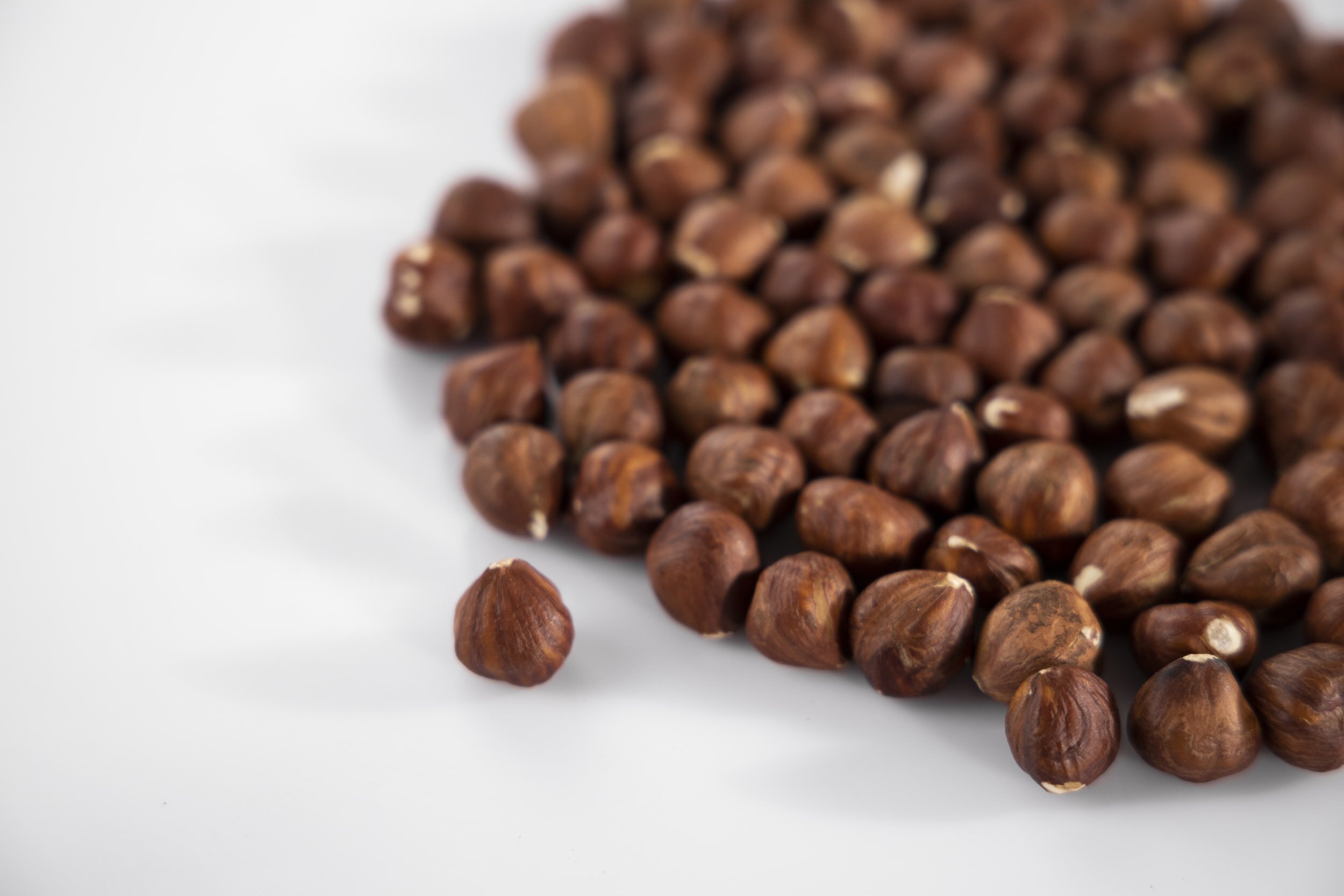
When considering a whole-foods-plant-based diet, nuts and seeds are one of our most abundant sources of healthy essential fats. A small handful goes a long way to increasing your health and sustaining your energy, and they are non-perishable and easily transported convenience food.
- Access
- Adaptogens
- alcohol
- Allergy
- B Vitamins
- b12
- Basil
- beans
- Blood pressure
- Burdock
- Calcium
- Calendula
- California Poppy
- Carbohydrates
- Cardamom
- Chamomile
- Chocolate
- chromium
- Cinnamon
- Comfrey
- copper
- Craniosacral Therapy
- Dandelion
- Detoxification
- Digestion
- Fiber
- Fire Cider
- Flavonoids
- Flax
- Folate
- Food as Medicine
- Foundations of Health
- Fruit
- Ginger
- Greens
- Hawthorn
- Healing What Ails You
- Herbal Formulations
- Herbal Medicine
- Immune
- Index
- Inflammation
- Iodine
- Iron
- Lemon balm
- Liver
- magnesium
- Manganese
- Marshmallow
- Mental Health
- minerals
- Minerals
- Molybdenum
- Naturopathic Medicine
- Nettle
- Nettles
- Niacin
- Nootropics
- Nutrition
- Oregano
- Pain
- Parsley
- Peppermint
- Philosophy of Care
- Potassium
- Poultice
- Protein
- Recipe
- Recipes
- Riboflavin
- Rose
- Rosemary
- Sage
- Seed Cycling
- Selenium
- Skin
- Sleep
- Sodium
- Sunshine
- Supplements
- Thiamin
- Thyme
- Thyroid
- Turmeric
- Vitamin A
- Vitamin D
- Vitamin E
- Vitamin K
- water
- Whole Grains
- Zinc